Customs Import & Export Procedures Australia
International trade depends on efficient customs processes and accurate documentation. Understanding customs import and export procedures Australia helps businesses move goods across borders while meeting regulatory requirements. Whether importing commercial products, industrial equipment, or project cargo, compliance with customs regulations is essential for avoiding delays and maintaining smooth supply chain operations.
KGE Global Logistics provides professional customs support for importers, exporters, manufacturers, and project cargo operators. Our team assists with customs clearance, documentation management, compliance requirements, and cargo coordination throughout Australia.
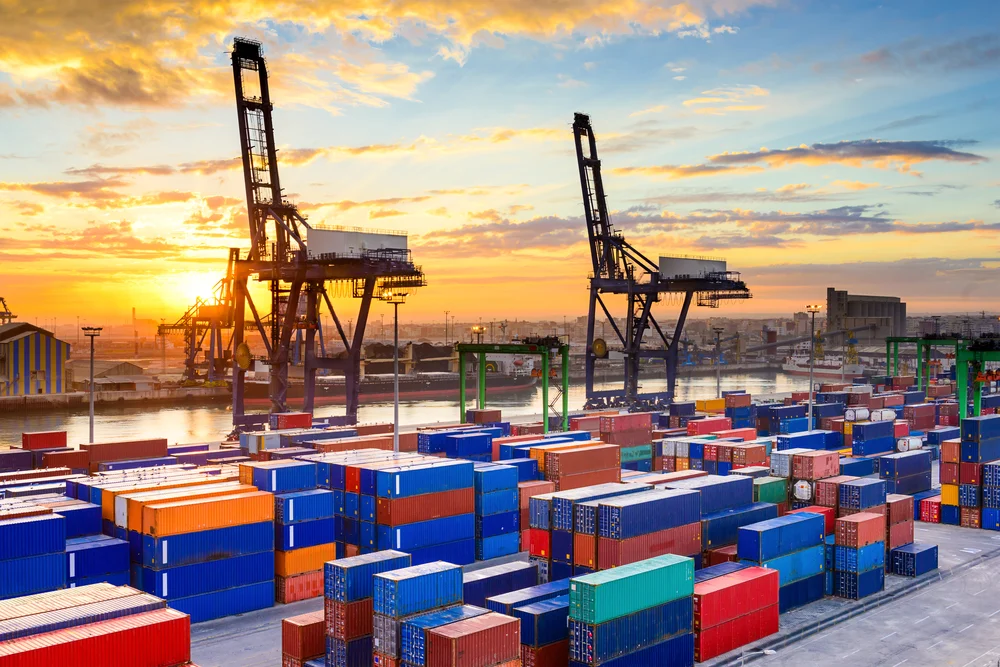
Import Process in Australia
Importing goods into Australia involves several important steps that ensure cargo meets customs and regulatory requirements.
Cargo Assessment and Classification
The import process begins with reviewing cargo details, tariff classifications, product descriptions, and applicable regulations. Proper classification helps determine duties, taxes, and compliance obligations.
Import Documentation Requirements
Accurate import documentation is necessary for efficient customs clearance. Depending on the shipment, businesses may require commercial invoices, packing lists, bills of lading, permits, certificates of origin, and supporting customs declarations.
Proper management of customs import and export procedures Australia helps reduce clearance delays and administrative issues.
Documents Required For Importing Into Australia
Accurate paperwork is essential for successful customs import and export procedures Australia. Proper import documentation helps businesses avoid delays, improve customs clearance efficiency, and maintain compliance with Australian trade regulations.
Commercial Invoice
The commercial invoice provides detailed information about the goods being imported, including product descriptions, values, quantities, supplier information, and transaction details. Customs authorities use this document to assess duties, taxes, and customs value.
Packing List
A packing list outlines the contents of each shipment, including packaging details, dimensions, weights, and cargo quantities. This import documentation supports customs inspections and cargo verification processes.
Bill of Lading
The Bill of Lading (BOL) serves as a transportation document that confirms shipment ownership and cargo movement details. It is a critical document used throughout customs brokerage and international shipping procedures.
Certificate of Origin
A Certificate of Origin identifies the country where goods were manufactured or produced. This document may be required to determine duty rates, trade agreement eligibility, and regulatory compliance requirements.
Import Documentation Checklist
Proper import documentation helps streamline customs clearance and supports efficient cargo processing.
Document | Purpose |
Invoice | Customs Value |
Packing List | Cargo Details |
BOL | Shipment Ownership |
Maintaining accurate documentation is a key part of customs import and export procedures Australia and helps businesses reduce administrative issues, customs delays, and compliance risks.
Export Procedures for Australian Businesses
Export Planning and Preparation
Before cargo is shipped internationally, businesses must verify product classifications, destination requirements, and shipping documentation. Careful preparation helps streamline export operations.
Export Compliance Management
Meeting export compliance requirements is critical for successful international trade. Our specialists assist businesses with export declarations, documentation reviews, and regulatory procedures to support smooth cargo movement.
Customs Documentation and Brokerage Services
Managing customs paperwork can be complex, particularly for international shipments involving multiple stakeholders.
Professional Customs Brokerage Support
Our customs brokerage services help businesses navigate customs regulations, duty assessments, clearance procedures, and documentation requirements. We work closely with clients to simplify the customs process and improve shipment visibility.
Documentation Coordination
As part of our customs import and export procedures Australia solutions, we coordinate declarations, permits, certificates, freight paperwork, and customs submissions to support efficient cargo processing.
Heavy Machinery and Project Cargo Clearance
Machinery Import Clearance
We assist businesses importing heavy machinery, mining equipment, manufacturing systems, and project cargo into Australia. Our team helps coordinate customs requirements and regulatory approvals where necessary.
Oversized Cargo Documentation
Specialized cargo frequently requires additional permits and approvals. Our experience managing customs processes for large-scale projects helps support efficient cargo clearance and transportation planning.
Industry Import Clearance Solutions
Different industries face unique customs requirements, documentation standards, and compliance obligations. Our customs brokerage specialists support a wide range of industrial sectors.
Mining Equipment Imports
Mining operations frequently import heavy machinery, processing systems, crushers, haul trucks, and specialized equipment. Our customs brokerage team helps coordinate documentation, approvals, and clearance procedures for mining industry imports.
Renewable Energy Imports
Renewable energy developments often require the importation of solar panels, transformers, battery energy systems, wind turbine components, and electrical infrastructure. Proper import documentation and regulatory compliance help support project schedules.
Oilfield Equipment Imports
Oil and gas projects frequently involve importing drilling systems, compressors, pumps, valves, pipelines, and industrial equipment. Our customs import and export procedures Australia services help businesses navigate industry-specific compliance requirements.
Compliance and Regulatory Support
Compliance remains a key part of successful import and export operations.
Customs and Trade Regulations
Australian customs regulations require businesses to maintain accurate declarations and supporting documentation. Compliance helps reduce risks associated with inspections, delays, and penalties.
Ongoing Compliance Assistance
Our team provides guidance on export compliance, customs procedures, and trade regulations to help businesses maintain efficient international operations.
Government Agencies and Regulatory Compliance
Australian Border Force (ABF)
The Australian Border Force (ABF) manages customs control, import and export regulations, duty collection, cargo inspections, and border security activities. Accurate import documentation and customs declarations help support efficient clearance processes.
Department of Agriculture
The Department of Agriculture oversees biosecurity requirements for imported goods entering Australia. Certain cargo types may require inspections, treatment certifications, quarantine approvals, or additional compliance documentation before release.
Biosecurity Compliance
Biosecurity compliance is a critical component of customs import and export procedures Australia. Businesses importing machinery, equipment, timber products, agricultural goods, and industrial cargo must ensure shipments meet Australian biosecurity requirements to avoid clearance delays.
Common Customs Clearance Delays
Even minor documentation errors can create delays during the customs clearance process. Effective customs brokerage support helps businesses identify and address issues before shipments arrive.
Incorrect HS Codes
Incorrect Harmonized System (HS) codes can result in customs delays, incorrect duty calculations, and additional inspections. Proper cargo classification supports accurate customs processing and export compliance.
Missing Documentation
Incomplete paperwork remains one of the most common causes of customs clearance delays. Missing import documentation, permits, certificates, or declarations can prevent cargo from being released on time.
Biosecurity Inspections
Australian biosecurity regulations require certain goods to undergo inspections before release. Products such as machinery, agricultural items, timber products, and industrial equipment may be subject to additional checks that can impact clearance timelines.
Proper planning, accurate documentation, and professional customs brokerage services help reduce delays while supporting efficient cargo movement across international supply chains.
Additional Customs Clearance Errors to Avoid
Missing Certificate of Origin (COO)
A missing Certificate of Origin can result in customs delays, duty assessment issues, and additional verification requirements. Ensuring all supporting documents are available before shipment arrival helps streamline customs clearance.
Documentation Errors
Incorrect product descriptions, incomplete declarations, inconsistent cargo details, and missing supporting paperwork are common causes of customs delays. Accurate import documentation supports efficient customs processing and export compliance.
Why Choose KGE Global Logistics
KGE – KEY, GLOBAL, EFFECTIVE.
Businesses choose KGE Global Logistics because we provide:
- Expertise in customs import and export procedures Australia
- Reliable customs brokerage solutions
- Accurate import documentation management
- Professional export compliance support
- Customs clearance coordination
- Project cargo and heavy machinery expertise
- Multimodal transportation solutions
- Experienced customs and logistics specialists
Our practical approach helps businesses manage customs requirements while maintaining efficient supply chain operations.
Our Process
Inspection
We review cargo specifications, classifications, and customs requirements.
Planning
Our team develops documentation and compliance strategies tailored to shipment needs.
Transportation
Cargo is coordinated for domestic or international movement.
Shipping
We manage customs declarations, documentation reviews, and shipment processing.
Receiving
Upon arrival, cargo is cleared, released, and prepared for final delivery.
Frequently Asked Questions
What are customs import and export procedures Australia?
These procedures include customs declarations, cargo inspections, documentation preparation, duty assessments, regulatory compliance, and customs clearance for imported and exported goods.
What documents are required for importing goods into Australia?
Common requirements include commercial invoices, packing lists, bills of lading, permits, certificates, and supporting import documentation based on cargo type.
What is customs brokerage?
Customs brokerage involves managing customs clearance processes, documentation, regulatory requirements, and communication with customs authorities on behalf of importers and exporters.
Why is export compliance important?
Export compliance helps businesses meet legal requirements, avoid penalties, and reduce the risk of shipment delays during international trade operations.
Can you assist with heavy machinery customs clearance?
Yes. We support customs clearance for heavy equipment, industrial machinery, project cargo, and oversized shipments entering or leaving Australia.
How can businesses reduce customs delays?
Accurate documentation, proper cargo classification, compliance planning, and professional customs support can significantly improve clearance efficiency.
Do customs requirements vary by cargo type?
Yes. Different products may require specific permits, certificates, inspections, or regulatory approvals depending on industry and destination requirements.
Contact Customs Team
Whether you are importing commercial products, exporting industrial equipment, or managing project cargo, KGE Global Logistics provides practical customs support tailored to your operational requirements. Contact our customs team to discuss your shipment, compliance, and clearance needs.