Common Challenges When Transporting Heavy Machinery Across Australia and How to Avoid Them
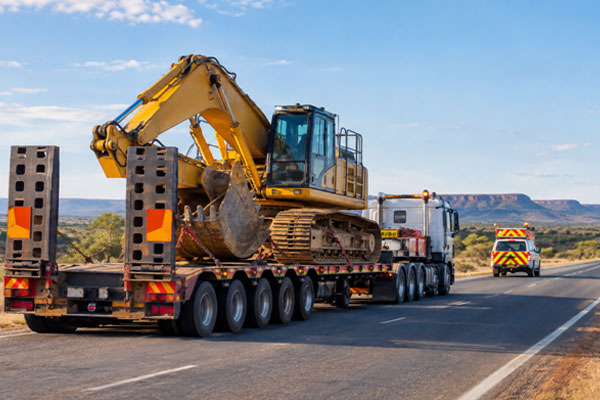
Moving heavy machinery across Australia is not as simple as placing equipment on a trailer and sending it to its destination. Excavators, bulldozers, mining machines, loaders, agricultural equipment, and other large assets often require careful planning because of their size, weight, route restrictions, and handling requirements.
For businesses involved in construction, mining, agriculture, infrastructure, and industrial projects, heavy machinery equipment transportation Australia involves more than arranging a vehicle. The movement must be planned around road access, permits, loading conditions, delivery locations, and the possibility of unexpected delays.
Understanding the common challenges before transport begins can help businesses avoid unnecessary costs, equipment damage, and missed project deadlines.
1. Oversized Dimensions and Excessive Weight
One of the first challenges is determining whether the machinery can travel under standard road transport limits. Many heavy machines are too wide, too tall, too long, or too heavy for ordinary freight vehicles.
For example, excavators, bulldozers, large loaders, and mining equipment may qualify as large indivisible items when they cannot be dismantled without significant effort, expense, or risk of damage. These movements may fall under Australia’s oversize and overmass transport requirements.
How to avoid this problem
Before booking transport, confirm:
- Overall machinery dimensions
- Total weight, including attachments
- Ground clearance
- Axle loading requirements
- Whether parts can be safely removed
- Loading and unloading requirements
- Whether the selected trailer can support the equipment
Accurate measurements prevent last-minute changes to the transport vehicle or route.
2. Complicated Route Planning
The shortest route is not always the most suitable route for heavy machinery. Bridges, narrow roads, low-clearance structures, steep gradients, weak road surfaces, restricted access areas, and urban traffic can all affect the journey.
A route that works for a standard truck may not be suitable for an oversized machinery load. Transport operators may need to assess road conditions, bridge limitations, turning space, and access to the final worksite before departure.
How to avoid this problem
A proper route assessment should consider:
- Road width and turning points
- Bridge and structure clearances
- Weight restrictions
- Roadworks and temporary closures
- Urban delivery restrictions
- Remote-area access
- Entry and exit conditions at the destination
Planning the route around the actual machinery dimensions helps reduce the risk of diversions and delivery complications.
3. Permits and State-Based Transport Requirements
Oversized and overweight machinery movements may require specific road access permits or must operate under applicable notices and conditions. Requirements can vary depending on the vehicle configuration, route, dimensions, and state or territory involved.
The National Heavy Vehicle Regulator (NHVR) manages many heavy vehicle access applications, while Western Australia and the Northern Territory have separate arrangements for relevant journeys. Local road managers and councils may also need to provide approvals for certain routes.
How to avoid this problem
Transport planning should begin well before the intended pickup date. The operator should establish:
- Whether an oversize or overmass permit is required
- Which authority handles the application
- Whether local council approval is needed
- Whether third-party approvals are required
- Whether pilot or escort vehicles are necessary
- Whether the permit includes the complete intended route
Waiting until the last minute can create delays, particularly when additional approvals or route changes are involved.
4. Delays Caused by Approvals and Escort Requirements
Some machinery movements require pilot vehicles, escorts, special travel conditions, or coordination with road authorities. These requirements can affect scheduling and may limit when the load is permitted to travel.
Certain movements may also require third-party approvals where the vehicle or load exceeds specified dimensions, including height-related clearances around infrastructure.
How to avoid this problem
Build additional time into the transport schedule for:
- Permit processing
- Route approvals
- Escort arrangements
- Traffic management
- Weather-related restrictions
- Loading and unloading preparation
A realistic delivery schedule is more useful than promising a date without accounting for regulatory and operational requirements.
5. Choosing the Wrong Trailer or Transport Equipment
Not every trailer is suitable for every type of machinery. Using an unsuitable trailer can create loading difficulties, instability, clearance problems, or unnecessary transport costs.
Depending on the machinery, transport may require a low-loader, extendable trailer, specialised heavy-haulage combination, or another suitable vehicle configuration.
How to avoid this problem
The transport provider should assess:
- Machinery weight and dimensions
- Centre of gravity
- Loading height
- Ramp requirements
- Axle distribution
- Ground clearance
- Whether attachments need to be removed
- Whether the equipment can be safely secured
The correct transport equipment improves stability and reduces the risk of damage during transit.
6. Machinery Preparation Before Pickup
Heavy equipment that is not properly prepared can cause delays at the loading point. Loose components, unsecured attachments, leaking fluids, damaged tyres, or excessive dirt and debris may create safety and handling issues.
Some machines may need booms, buckets, arms, counterweights, or other attachments adjusted or removed to meet transport limits.
How to avoid this problem
Before pickup:
- Clean the machinery sufficiently for inspection.
- Remove or secure loose components.
- Check tyres, tracks, and access points.
- Drain or manage fluids where required.
- Secure hydraulic arms and attachments.
- Confirm the machine starts or can be safely loaded.
- Provide accurate equipment specifications to the transporter.
Preparation should be completed before the truck arrives, not while the vehicle is waiting at the site.
7. Safe Loading, Securing, and Unloading
Loading is one of the highest-risk stages of heavy machinery transportation. Poor positioning, incorrect restraint methods, or unsuitable loading surfaces can affect vehicle stability and create safety risks.
Australian heavy vehicle requirements state that loads must be positioned so the vehicle remains safe and stable, must not be likely to fall or become dislodged, and must be restrained using an appropriate method.
How to avoid this problem
A safe loading plan should include:
- Suitable loading ramps
- Stable ground at the pickup location
- Correct weight distribution
- Appropriate restraints and chains
- Secure attachment positioning
- Clear communication between site staff and drivers
- A suitable unloading area at the destination
The delivery site should also be checked in advance to ensure there is enough space for unloading and positioning the machinery.
8. Remote Locations and Difficult Delivery Sites
Australia’s mining, agricultural, and infrastructure projects often operate far from major cities. Remote locations can present challenges such as limited road access, unsealed roads, long distances between services, difficult weather conditions, and restricted site entry.
Even when the main route is suitable, the final few kilometres to the worksite may create problems.
How to avoid this problem
Before transport, confirm:
- Exact delivery coordinates
- Road surface conditions
- Site access width
- Turning and reversing space
- Ground conditions
- Availability of unloading equipment
- Contact person at the destination
- Any site-specific safety requirements
The final delivery point should be assessed as carefully as the main highway route.
9. Weather and Unexpected Road Conditions
Heavy machinery transport can be affected by extreme weather, flooding, heavy rain, strong winds, road damage, and temporary closures. These issues can be especially important when moving equipment through remote or regional areas.
Weather-related delays may not always be avoidable, but poor planning can make their impact worse.
How to avoid this problem
Transport planners should monitor:
- Weather forecasts along the route
- Flood warnings
- Road condition updates
- Regional access restrictions
- Seasonal conditions
- Alternative route options
Allowing flexibility in the schedule is particularly important for long-distance machinery movements.
10. Unexpected Costs During Transport
The original transport quote may not account for every possible cost if the machinery details or delivery conditions are incomplete. Additional expenses can arise from route changes, permits, escorts, loading equipment, waiting time, storage, or difficult site access.
How to avoid this problem
Request a detailed quotation that clearly explains:
- Pickup and delivery locations
- Machinery dimensions and weight
- Trailer type
- Permit costs
- Escort requirements
- Loading and unloading responsibilities
- Waiting-time charges
- Additional distance charges
- Possible storage or holding costs
Providing complete information at the beginning makes the quotation more accurate and reduces the chance of unexpected charges.
11. Poor Communication Between Everyone Involved
Heavy machinery transport often involves equipment owners, site managers, drivers, transport coordinators, contractors, and receiving teams. If one party does not have the correct information, the movement can be delayed.
For example, the driver may arrive at a site where the machinery is not ready, or the receiving location may not have the equipment needed for unloading.
How to avoid this problem
Maintain clear communication about:
- Pickup readiness
- Machinery specifications
- Permit status
- Driver arrival time
- Site access
- Loading responsibilities
- Delivery instructions
- Changes to the schedule
A single point of contact can make coordination easier and reduce confusion.
What Should Businesses Check Before Transporting Heavy Machinery?
A practical pre-transport checklist can help prevent many common issues.
Before confirming the movement, businesses should verify:
- Machinery dimensions and weight are accurate
- Attachments and loose components are prepared
- The correct trailer has been selected
- Route restrictions have been reviewed
- Required permits and approvals are identified
- Escort requirements are confirmed
- Pickup and delivery sites are accessible
- Loading and unloading plans are ready
- Weather and road conditions have been considered
- The quotation includes likely additional costs
- All parties have confirmed the schedule
This preparation is especially important for interstate and long-distance machinery movements.
Plan Carefully to Reduce Transport Risks
Heavy machinery transportation across Australia requires coordination between equipment preparation, route planning, compliance, vehicle selection, and delivery management. Most major problems occur when dimensions are inaccurate, permits are delayed, routes are not properly assessed, or the pickup and delivery sites are not ready.
Businesses can reduce these risks by working with an experienced logistics provider that understands oversized loads, heavy equipment handling, and the practical challenges of Australian transport routes.
For businesses planning complex machinery movements, KGE Global provides logistics support for heavy equipment and specialised cargo transportation, helping clients coordinate transport requirements around the nature, size, and destination of their equipment.